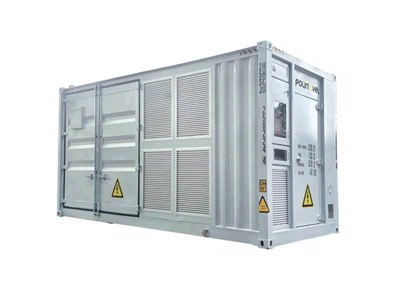
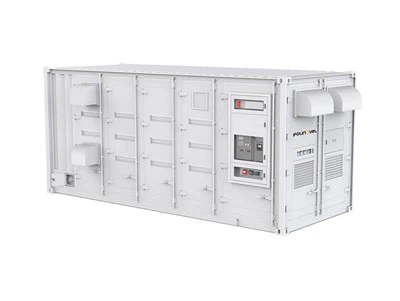
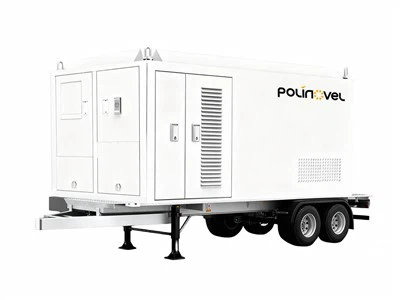
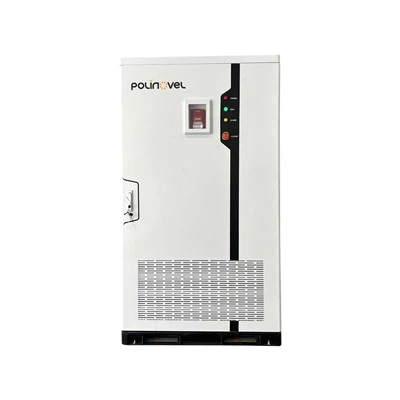
solar container battery energy storage system
The Solar Container Battery Energy Storage System is designed for projects that need more than a single mobile power unit. By combining multiple foldable solar containers with an integrated BESS container, the system delivers higher solar generation, larger energy storage capacity, and more reliable power support for medium and large-sized off-grid or weak-grid sites.
With up to 576kWp solar input, 2088kWh battery storage, and 500kW PCS output, it provides a practical solar storage solution for mining areas, oilfields, construction bases, industrial sites, and remote energy projects where stable, scalable, and lower-diesel power supply is required.

Advantages Of Solar Container Battery Energy Storage System
Higher Solar Input for Larger Sites
Multiple foldable solar containers work together to increase on-site PV generation, making the system more suitable for projects with continuous daytime loads and larger energy demand.
Centralized MWh-Level Energy Storage
The integrated BESS container stores more solar energy and supports longer power backup, helping stabilize power supply when solar generation changes or site loads fluctuate.
Project-Scale Hybrid Power Supply
With 500kW PCS output and diesel generator access, the system can support larger AC loads while balancing solar generation, battery discharge, and backup power sources.
Scalable Solar Storage Platform
The system can be configured according to project size, allowing more solar input and storage capacity to be matched with the actual power demand of mining, oilfield, construction, and remote industrial sites.
Solar Container Battery Energy Storage System Specification
| PV Container | ||
| Number of PV Containers | 3 | 4 |
| Total PV Power | 432 kWp | 576 kWp |
| Module Power | 720 W | |
| Open Circuit Voltage | ~49 V | |
| Short Circuit Current | 18.55 A | |
| Module String Configuration | 20 strings | |
| Energy Storage Container | ||
| Cell Type | LFP314AH | |
| Pack Configuration | 1P48S | 1P52S |
| Battery Configuration | 6×1P240S | 8×1P260S |
| Battery Rated Voltage | 768 V | 832 V |
| Battery Voltage Range | 660–876 V | 650–949 V |
| Max Charge/Discharge Current | 6×157 A | 8×157 A |
| Battery Capacity | 1446.9 kWh | 2088 kWh |
| Cooling Method | Liquid cooling | |
| Fire Suppression System | Aerosol | |
| PCS Rated Output Power | 500 kW | |
| PCS AC Voltage | 230/400 V | |
| PCS AC Frequency | 50/60 Hz | |
| PCS Overload Capability | 1.1× rated power continuous / 1.2×1min | |
| PCS DC Voltage Range | 500–950 V | |
| Max Number of MPPT | 10 | |
| MPPT Single Power | 75 kW | |
| MPPT Voltage Range | 250–1000 V | |
| Other | ||
| EMS Control System | Included | |
| Annual Energy Generation (1460h) | Approx. 630,720 kWh | |
| Annual Energy Generation (1825h) | Approx. 7,884,000 kWh | |
| Generator Integration | Add AC Distribution Cabinet | Supported by Hybrid Inverter |
Disadvantages of using diesel fuel to power remote sites
Fuel is the biggest controllable cost
A generator at part-load burns fuel inefficiently, and the bill compounds every hour it runs - including overnight, when the load is often light.
Logistics multiply the price
Diesel has to be trucked or shipped in. Long hauls, rough access, and losses to spillage or theft push the delivered cost well above the pump price.
A single genset is a single point of failure
When it trips or goes in for service, production stops. Sites that can't afford downtime end up running - and maintaining - costly redundancy.
Emissions are now a liability
Tightening rules and corporate ESG targets put pressure on diesel-heavy operations, and some contracts now require a credible decarbonization plan.
How to solve the problem of Solar Container Battery Energy Storage System
The Solar Container Battery Energy Storage System is built to take over the bulk of that diesel runtime. Instead of one all-in-one box, it links three to four solar containers to a single centralized BESS container and runs them as one coordinated microgrid:
432–576kWp of solar
enough to carry the daytime load and charge the battery at the same time.
1446.9–2088kWh of centralized storage
banks the daytime surplus and powers the site after dark and through cloud cover.
A 500kW PCS and built-in EMS
coordinate solar, battery, and the existing generator, so diesel only starts when it is genuinely needed.
The site runs clean for most of the day and night, with the generator kept as backup insurance rather than the primary source.
How the Solar Container Battery Energy Storage System carries the site across a full day
Three operating phases, switched automatically by the EMS - no manual juggling of solar, battery, and generator.
Daytime
Solar runs the site and charges the battery
PV output powers the live load directly through the 500kW PCS, and the surplus charges the centralized battery. The generator stays off.
Evening & Night
The battery takes over
As solar fades, the centralized battery discharges to keep the site running. With up to 2088kWh on hand, it covers the overnight load that used to keep a genset idling.
Low-Sun & Peaks
A short, managed blend
During extended cloud or a heavy load step, the EMS adds a brief, efficient burst of generator runtime instead of running diesel all day.
The generator ties in through an AC distribution cabinet or a hybrid inverter, so the system works on a brand-new site or one already running on diesel.
Positioning within the Solar Container Battery Energy Storage System series
This system is the one built to run a whole off-grid site and displace diesel - distinct from a single solar unit or a grid-feeding power plant.
| Single solar container | This system - centralized microgrid | Solar PV power plant | |
|---|---|---|---|
| Products | Foldable Solar Container System, Mobile Solar Container | Solar Container Battery Energy Storage System | Solar PV Container with BESS |
| Scale | 38–144 kWp, single unit | 432–576 kWp + 1446.9–2088 kWh | 2304–3456 kWp, ~5015 kWh |
| Architecture | One all-in-one box | Multiple PV containers + one central BESS | Medium-voltage power plant |
| Output | 230/400V, one load or small site | 230/400V, a whole site | 6–35kV medium voltage |
| The job it does | Fast power for a point or small site | Run a whole off-grid/weak-grid site & cut diesel | Feed a grid at utility scale |
Application of solar container battery energy storage system
Mining & quarry camps
Oilfields & upstream facilities
Multi-phase construction
Weak-grid factories & parks
Islands & remote communities
Remote infrastructure
Frequently Asked Questions
Q: How much diesel can this system actually replace?
A: It depends on the site's solar resource, load profile, and battery sizing. In a typical setup the daytime load runs largely on solar while the surplus charges the battery, and the overnight load runs on stored energy - so the generator only covers extended low-sun spells and demand peaks. We model the expected diesel reduction for your specific site before quoting.
Q: Can it power a site around the clock?
A: Yes. Solar carries the site by day and charges the battery; the centralized battery (up to 2088kWh) runs the site through the evening and night; and the EMS adds a short burst of generator runtime only during extended cloud or load peaks.
Q: How is it different from a single solar container?
A: A single solar container is one all-in-one unit for a point load or a small site. The Solar Container Battery Energy Storage System links multiple solar containers to one centralized MWh-scale battery and a 500kW PCS, so it powers a whole off-grid or weak-grid site and is built to displace diesel rather than supplement it.
Q: Is it for off-grid or grid-connected sites?
A: It is built for sites running off-grid, on a weak grid, or in hybrid mode, with a 230/400V output. A utility-scale, medium-voltage (6–35kV) grid connection calls for the Solar PV Container with BESS instead.
Q: What battery chemistry and safety features are used?
A: LFP314Ah lithium iron phosphate cells, a liquid-cooled battery container for stable thermal management under heavy daily cycling, an aerosol fire-suppression system, and an integrated EMS for monitoring and control.
Q: Can it be customized, and what about lead time and certification?
A: Solar input, storage capacity, and generator or EV interfaces are configured to the project. Systems carry IEC and UL certifications. For a project-specific quote, lead time, and warranty terms, contact the team.
See how much diesel you can take off the bill
Consulting on solar container battery energy storage system
Send your daily energy use, peak load, sun-hours, and current diesel spend. Our engineers will model how much solar-plus-storage can take over and return a configuration and quote.
Hot Tags: solar container battery energy storage system, solar container BESS, containerized solar storage, off-grid solar container, solar battery container manufacturer, 500kW PCS solar storage