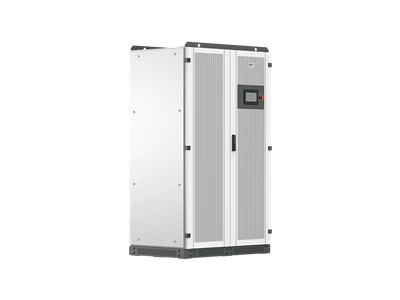
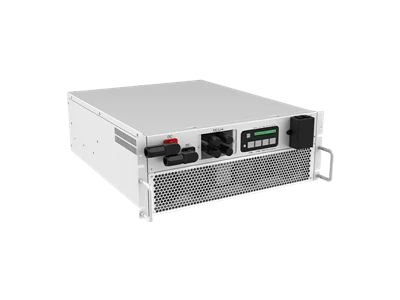
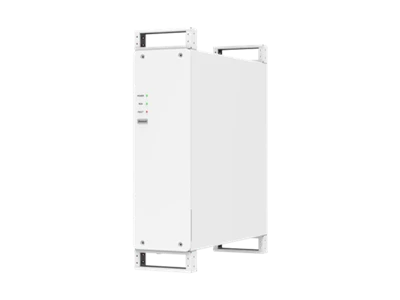
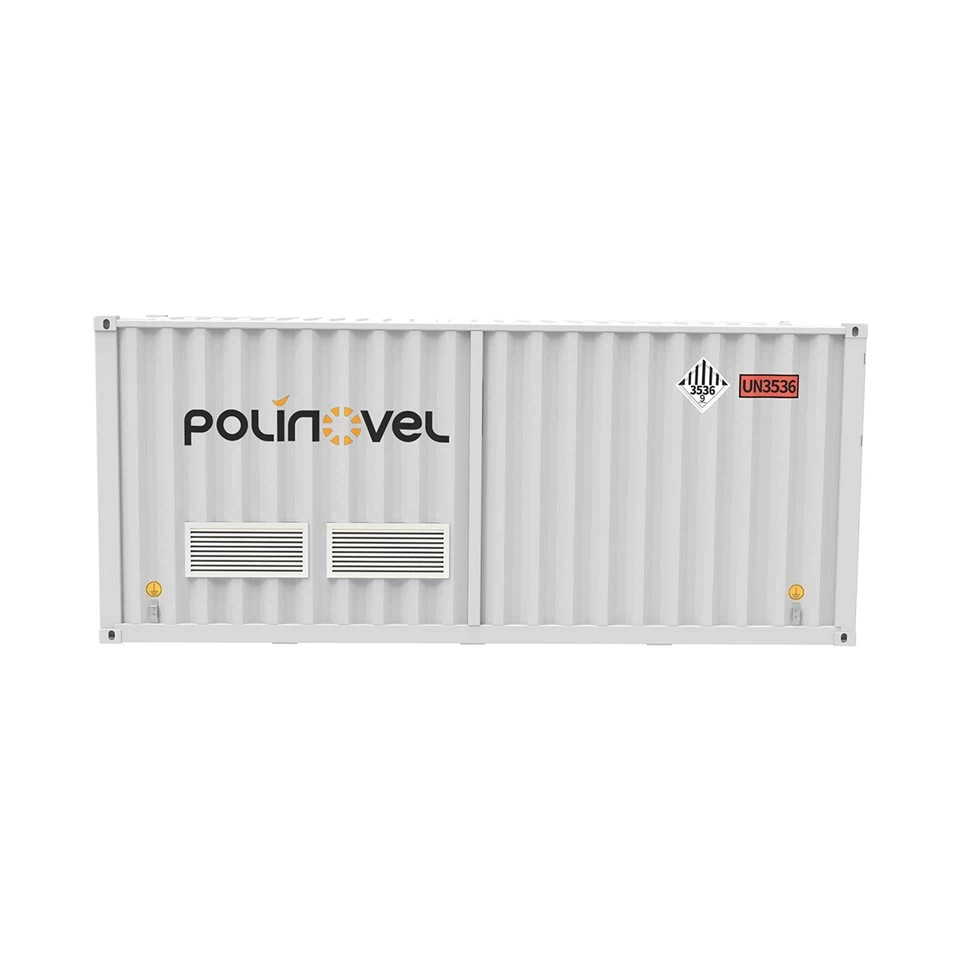
500kW 630kW PCS BESS Power Conversion System
The 500kW 630kW BESS Power Conversion System serves as the power conversion core between battery storage and the AC grid in large-scale energy storage projects. It converts and controls bidirectional power flow for charging, discharging, grid support, renewable energy storage, and frequency regulation applications.
This transformerless PCS supports 500kW and 630kW rated output options, 600–900V battery voltage range, 400V AC grid connection, multiple parallel operation, constant voltage / constant power control, and low / high voltage ride-through. With up to 98.7% maximum efficiency, it provides a scalable PCS option for large C&I, grid-side storage, PV charging station, and renewable energy storage projects.

Optimized for Your Energy Needs
High-Power PCS
With 500kW and 630kW rated output options, this BESS power conversion system is suitable for large commercial, industrial, and utility-scale energy storage configurations. It can be matched with Polinovel battery energy storage systems where high-power charging, discharging, and grid interaction are required.
Higher Efficiency
The transformerless design helps reduce conversion losses and improve operating efficiency in energy storage applications. With up to 98.7% maximum efficiency, the PCS supports long-term power conversion performance for projects where system efficiency and energy utilization are important.
Parallel Expansion
The system supports multiple parallel connection, making it easier to expand PCS capacity according to the project scale. This is useful for BESS projects that require staged capacity planning, larger power output, or flexible system configuration across different sites.
Flexible Dispatch Control
Support for constant voltage control and constant power control allows the PCS to adapt to different energy storage operating strategies. It can support charging and discharging management, grid-side dispatch, renewable integration, peak shaving, and frequency regulation requirements.
Grid Support
Low and high voltage ride-through functions help improve grid adaptability in grid-connected energy storage projects. This makes the PCS suitable for applications where battery systems need to interact with the grid more reliably during voltage fluctuations or grid-support operation.
Renewable Storage Ready
The PCS can be used in PV charging stations, wind power storage, grid-side storage, and combined heat and power frequency regulation applications. This gives project developers more flexibility when configuring BESS solutions for renewable energy integration and grid support.
Specification
|
DC(battery)
|
||
|
Voltage range
|
600~900V
|
|
|
Max. current
|
929A
|
1170A
|
|
AC(on-grid)
|
||
|
Max. output power
|
550kW
|
693kW
|
|
Rated output power
|
500kW
|
630kW
|
|
Rated voltage
|
400V
|
|
|
Voltage range
|
320~460V
|
|
|
Rated current
|
722A
|
909A
|
|
Max. output current
|
800A
|
1000A
|
|
Rated frequency
|
50/60Hz
|
|
|
Frequency range
|
45~55/55~65Hz
|
|
|
THDi
|
<3%
|
|
|
Power factor
|
1leading~1lagging(settable)
|
|
|
Grid type
|
3W+PE
|
|
|
General data
|
||
|
Max. efficiency
|
98.7%
|
|
|
Ingress protection
|
IP21
|
|
|
Noise emission
|
<70dB
|
|
|
Operating temperature
|
-30 ~ +55℃
|
|
|
Cooling
|
Forced air
|
|
|
Relative humidity
|
0 ~95% non-condensing
|
|
|
Max. operating altitude
|
5000mm(>3,000 derating )
|
|
|
Dimension W*D*H
|
1000*700*2050
|
|
|
Weight
|
950kg
|
|
|
Transformer
|
/
|
|
|
Self-consumption
|
<0.5%
|
|
|
Display and communication
|
||
|
Display
|
LCD touch-screen
|
|
|
BMS communication
|
RS485, CAN
|
|
|
EMS communication
|
RS485, TCP/IP
|
|
|
Certificates
|
IEC/EN 62109-1/-2, EN 62477-1, IEC/EN 61000-6-2/-6-4, EN 50549-1,
GB/T 34120, GB/T 34133, CGC-R46103:2018A, PTPIREE REV1.2 : 2024 TYPE B
|
|
Bidirectional Power Conversion Between Battery and Grid
Polinovel's 500kW and 630kW BESS Power Conversion System manages bidirectional energy flow between the battery side and a 400V AC network. During charging, the PCS converts AC power into controlled DC power for storage. During discharge, stored DC energy is converted back into AC power for loads, grid interaction or scheduled energy management.
The 600–900V DC operating range provides a defined electrical window for compatible high-voltage battery systems. RS485 and CAN interfaces support BMS communication, while RS485 and TCP/IP support EMS connectivity. Multiple PCS units can operate in parallel where a project requires higher conversion power or staged capacity expansion.
BMS Communication
RS485 / CAN
EMS Communication
RS485 / TCP/IP
Grid Frequency
50 / 60Hz
Parallel PCS
Supported
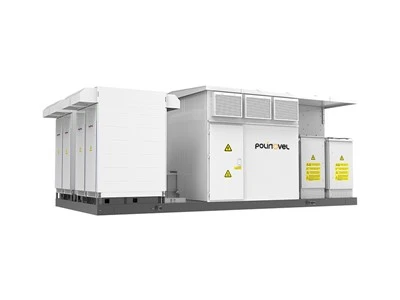
For higher-power blocks with integrated conversion and voltage step-up, see BESS PCS container solutions.

Grid Support and Power Control Functions
Low Voltage Ride-Through
Low voltage ride-through helps improve grid adaptability in grid-connected energy storage projects during defined voltage disturbances. Final project compliance should be checked against the applicable grid requirements and product documentation.
High Voltage Ride-Through
High voltage ride-through provides corresponding support during defined high-voltage events, helping the PCS remain coordinated with grid-connected BESS operating requirements.
Adjustable Power Factor
The published power factor range is 1 leading to 1 lagging and is settable, supporting active and reactive power requirements within the system design.
Applications for 500kW and 630kW BESS PCS
Commercial & Industrial Energy Storage
For factories, commercial facilities and industrial energy users, the 500kW or 630kW PCS provides high-power bidirectional conversion for battery systems used in peak shaving, load shifting, renewable-energy utilization and energy management.
Utility and Grid-Side Energy Storage
Multiple PCS units can be configured for larger grid-connected battery projects where high-power conversion, parallel expansion and controlled interaction with the AC network are required.
Solar + Battery Storage
The PCS can provide the battery-side conversion stage in solar-plus-storage projects, allowing stored energy to be charged or discharged according to EMS commands and project operating strategy.
Competitive advantage
The company conducted a competitive advantage analysis to identify its strengths and weaknesses compared to its rivals.
Battery DC voltage
Confirm that the battery operating voltage remains within the published 600–900V range under the intended operating conditions.
01
Required power
Choose the 500kW or 630kW model according to continuous output requirements and the complete BESS power architecture.
02
Battery current
Compare maximum battery-side current with 929A for the 500kW model and 1170A for the 630kW model.
03
AC connection
The published rated AC voltage is 400V. Projects requiring a PCS and step-up transformer for medium-voltage grid connection require system-level engineering.
04
Communication
Confirm BMS and EMS communication requirements against RS485, CAN and TCP/IP support.
05
Site conditions
Check installation environment, operating temperature, humidity, altitude and enclosure requirements against the published data.
06
500kW vs 630kW PCS
| Selection Factor | 500kW | 630kW |
| Rated Output | 500kW | 630kW |
| Max. Output | 550kW | 693kW |
| DC Voltage | 600~900V | 600~900V |
| Max. DC Current | 929A | 1170A |
| Rated AC Current | 722A | 909A |
| Max. Efficiency | 98.7% | 98.7% |
From Battery to Grid in Seven Steps
-
1

Battery Side
DC connection
-
2

BMS
Battery data
-
3

Conversion
AC ↔ DC
-
4

EMS
Dispatch logic
-
5

AC Interface
400V side
-
6
Parallel
Scale power
-
7

Commissioning
Verify settings
500kW 630kW BESS PCS FAQ
Q: What is a BESS Power Conversion System?
A: A power conversion system (PCS) is the bidirectional power-electronic interface between battery storage and an AC electrical system. It converts AC to DC during charging and DC to AC during discharge while coordinating power control and communication within the BESS.
Q: What power ratings are available?
A: This product is published in 500kW and 630kW rated output versions, with maximum output power of 550kW and 693kW respectively.
Q: What battery voltage range does the PCS support?
A: The published DC battery voltage range is 600~900V. The battery system's operating voltage should be checked against this range across the intended state-of-charge and operating conditions.
Q: What is the rated AC voltage?
A: The rated AC voltage is 400V, with a published voltage range of 320~460V and rated frequency of 50/60Hz.
Q: What is the maximum efficiency?
A: The published maximum efficiency is 98.7% for the 500kW and 630kW models.
Q: Can multiple PCS units operate in parallel?
A: Yes. The existing product page states that multiple parallel connection is supported, allowing system power to be expanded according to the project configuration.
Q: How does the PCS communicate with the BMS and EMS?
A: The published BMS communication interfaces are RS485 and CAN. The published EMS communication interfaces are RS485 and TCP/IP. Project-specific protocol compatibility should be confirmed during engineering.
Q: Does the PCS support LVRT and HVRT?
A: The existing product description states support for low and high voltage ride-through. Applicable thresholds, curves and project grid-code requirements should be confirmed from the relevant technical documentation.
Q: What information is needed for model selection and quotation?
A: Provide the required PCS power, battery DC voltage range, battery current, AC/grid voltage, application, BMS/EMS communication requirements, installation environment, quantity and project schedule so the final configuration can be checked before quotation.

Get a 500kW or 630kW PCS Configuration for Your BESS
Send your battery voltage range, required PCS power, AC voltage, BMS/EMS communication requirements, application, quantity and project location. Polinovel can use these project inputs to confirm whether the 500kW or 630kW PCS matches the intended battery and grid architecture before quotation.
Hot Tags: BESS Power Conversion System, 500kW BESS PCS, 630kW BESS PCS, battery energy storage PCS, energy storage power conversion system, bidirectional PCS, transformerless PCS, energy storage inverter