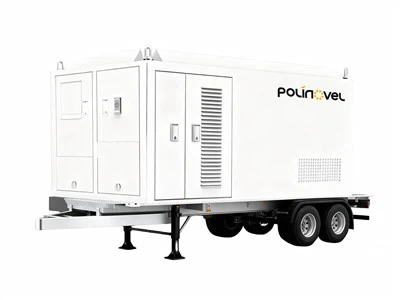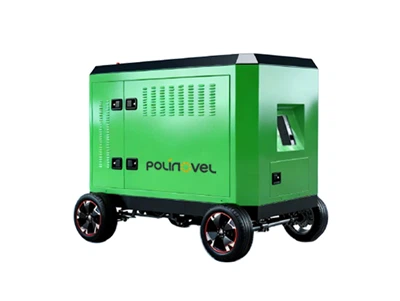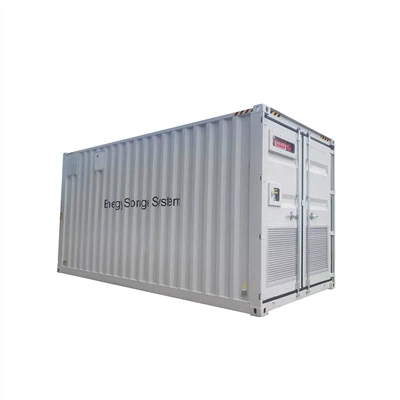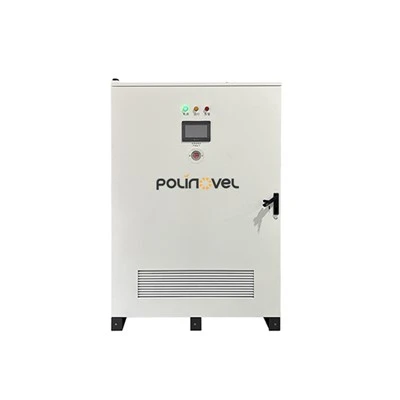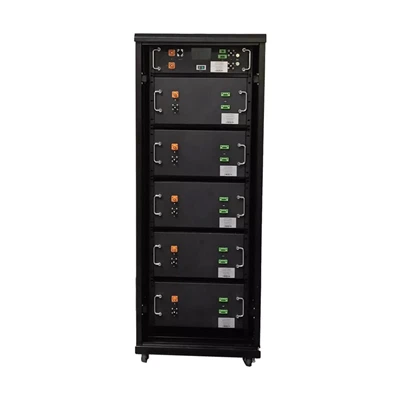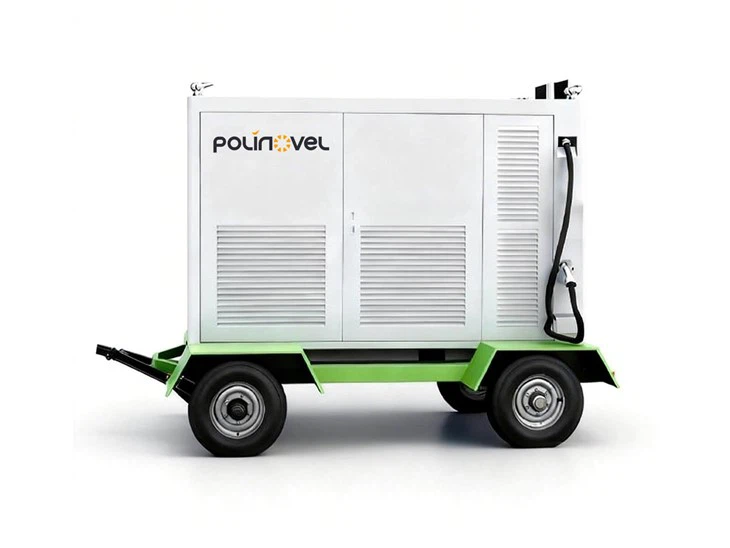


431kWh 320KW Mobile BESS Energy Storage System
The 431 kWh 320 kW Mobile BESS is designed for high-power commercial and industrial applications, providing reliable mobile energy for EV charging, temporary power supply, grid support, and emergency backup.
Integrated battery storage, high-performance PCS, and dual high-power DC outputs ensure stable operation under high load. Intelligent energy control and advanced thermal management, combined with industrial-grade protection, support safe and continuous performance, while the mobile design enables quick deployment with minimal setup.

Working Principle
The system uses a PCS (Power Conversion System) to achieve DC (direct current) ↔ AC (alternating current) conversion, connecting the energy storage battery to the external load or power grid. The EMS (Energy Management System) determines when to charge/discharge, the scheduling strategy, peak-shaving and load-shifting strategies, etc., while the BMS (Battery Management System) is responsible for monitoring the battery status (temperature, voltage, SOC, etc.) and ensuring battery safety.
Our specifications

1.Energy Capacity - 431 kWh:
This indicates that the system can theoretically output a total of 431 kilowatt-hours of energy after a single full charge.
This capacity determines the system's discharge time (at different power outputs):
- If continuously discharged at a power output of 320 kW, the theoretical discharge time is approximately 1.35 hours (431 kWh ÷ 320 kW).
- The actual usable time will be adjusted based on the SOC (State of Charge) operating strategy, safety margins, etc.
2.Power Capacity - 320 kW
- This indicates that the system can output or absorb a maximum of 320 kilowatts of power in instantaneous or continuous mode.
- This indicator is related to the system's application scenarios, such as peak shaving, load support, grid frequency regulation, and emergency power.
Optimized for Your Energy Needs
High-Power, Multi-Channel Output
Rated up to 320 kW, the system supports high-power DC charging and fast energy discharge, while dual channels enable simultaneous operation for greater service efficiency.
Multi-Scenario Energy Distribution
Multiple DC and AC interfaces support EV charging, emergency power supply, and flexible bidirectional energy flow, allowing the system to adapt to diverse application requirements.
Advanced Thermal Management
Battery liquid cooling combined with air cooling for electrical components maintains thermal stability under heavy load, improving reliability and extending system lifespan.
Centralized Control and Monitoring
The 10-inch HMI touchscreen provides clear system visibility and intuitive operation, enabling efficient energy management and simplified on-site control.
Specification
|
systematic name
|
class
|
parameter
|
|
|
Battery System (BESS)
|
Cell
|
nominal capacity (Ah)
|
324
|
|
Operating voltage range (Vdc)
|
3.2(2.8-3.65)
|
||
|
Nominal capacity (Wh)
|
1036.8
|
||
|
Battery Module
|
Grouping Scheme
|
1P52S
|
|
|
nominal capacity (Ah)
|
324
|
||
|
Operating voltage range (Vdc)
|
166.4(145.6-189.8)
|
||
|
Rated capacity (KWh)
|
53.91
|
||
|
levels of protection
|
IP65
|
||
|
coolant passage
|
liquid cooling
|
||
|
Battery pack (system component)
|
Grouping Scheme
|
2P208S,8 battery modules (2 parallel and 4 series)
|
|
| nominal capacity (Ah) |
648
|
||
| Operating voltage range (Vdc) |
665.6(582.4-759.2)
|
||
|
Rated capacity (KWh)
|
431.31
|
||
|
Energy Storage Inverter (PCS)
|
direct current side
|
Operating voltage range (Vdc)
|
615-950
|
|
maximum current (A)
|
170
|
||
|
AC side (three-phase four-wire,3W+N+PE)
|
rated voltage (V)
|
400
|
|
|
voltage deviation
|
-15%~+15%
|
||
|
power rating (KW)
|
105
|
||
|
maximum current (A)
|
167
|
||
|
Rated grid frequency (Hz)
|
50/60
|
||
|
Rated power (maximum power) (KW)
|
320
|
||
|
Charging system
|
input side
|
Maximum input power (A)
|
880
|
|
Input voltage (Vdc)
|
250-850
|
||
|
Number of output interfaces
|
2 lanes
|
||
|
outlet side
|
output power range (KW)
|
3-250 (rated power 160KW)
|
|
|
current range (A)
|
2-250
|
||
|
voltage range (V)
|
200-1000 (rated voltage 1000)
|
||
|
Constant (imp/KWh)
|
50
|
||
|
Measurement parameters
|
class of accuracy
|
0.5
|
|
|
measurement unit
|
KWh
|
||
|
Interface 1GB/T National Standard DC Power
Supply Base 1
|
1000Vdc , 250A
|
||
|
inputoutput interface
|
DC input
|
Interface 2GB/T National Standard DC Power
Supplementing Socket 2
|
1000Vdc , 250A
|
|
Interface 3GB/T National Standard DC
Discharge Gun 1
|
1000Vdc , 250A
|
||
|
DC output
|
Interface 4GB/T National Standard DC
Discharge Gun 2
|
1000Vdc , 250A
|
|
|
Interface 5 AC Interface 1
|
400Vac, 250A industrial power plug and socket
|
||
|
Exchange input/output through the same port (Note: optional, additional cost)
|
Interface 10 AC Interface 6
|
230Vac, 10A, National Standard Five-Pole
|
|
|
cooling-down method
|
Battery compartment liquid cooling + electrical compartment air cooling
|
||
|
system parameter
|
essential parameter |
fire extinguisher system
|
Gas Bonding
|
|
levels of protection
|
IP54
|
||
|
working temperature
|
-10℃-50℃
|
||
|
Size (length*width*height)
|
3205mm*1740mm*2117mm
|
||
|
weight of equipment (T)
|
Actuals
|
||
|
Outer shell material
|
Precision sheet metal
|
||
|
Corrosion resistance
|
C4
|
||
|
human-computer interface HMI
|
10-inch touch screen
|
||
Why choose us?
Structural Design for Mobile Applications
Optimized for frequent transportation and rapid deployment, featuring earthquake resistance, impact resistance, and high protection ratings, suitable for construction sites, emergency situations, and power grid applications.
Mature System Integration Capabilities
Deep integration of batteries, PCS, EMS, and thermal management systems ensures stable and efficient operation of the 431 kWh and 320 kW system under real-world conditions.
Safety-Centric Design Logic
Multi-level BMS protection, active thermal management, and fire protection solutions comprehensively reduce thermal runaway and operational risks.
Balanced Solution for High Power and Long Lifespan
While achieving a high output capacity of up to 320 kW, the system balances battery cycle life and system efficiency, reducing total lifecycle costs.
Flexible Grid-Connected and Off-Grid Adaptability
Supports multiple operating modes including grid-connected, off-grid, microgrid, and temporary load applications, meeting diverse energy application needs.
Customizable Configuration Based on Project Requirements
Supports multi-dimensional customization of EMS strategies, interface types, and environmental adaptation levels, rather than a single standard solution.
Safety and Regulatory Requirements
Safety is crucial to the design and operation of BESS systems:
Types of Risks
- Thermal runaway
- Overcharging/Over-discharging
- Environmental stress (temperature, humidity)
Key Safety Measures
- Complete BMS monitoring and protection mechanisms
- Thermal management/fire protection system
- Complies with international standards such as UL/IEC
- Mechanical and electrical isolation to prevent short circuits and ground faults.
Differences between mobile and stationary BESS
| Characteristic | Fixed Energy Storage System | Mobile Energy Storage System |
|---|---|---|
| Installation Location | Fixed location on-site | Removable, can be deployed on demand |
| Flexibility | Low | High |
| Response Cycle | Long-term | Temporary / Project-based |
| Typical Uses | Peak shaving/valley filling, renewable energy integration | On-site construction, emergency, grid peak shaving |
Our key design and selection criteria
Selection Parameters Considerations
- Capacity and Power Requirements: The system is designed to match real application needs, ensuring sufficient energy storage and stable high-power output for demanding scenarios.
- Charging & Discharging Efficiency and Cycle Life: High efficiency and long cycle life help reduce energy loss, extend service life, and lower long-term operating costs.
- Battery Chemistry Type: LFP battery technology is selected for its high safety, long lifespan, and stable performance under frequent charge and discharge cycles.
- Thermal Management & Environmental Adaptability: Advanced thermal control ensures reliable operation and protects battery health in high-temperature, low-temperature, or high-humidity environments.
- Grid Connection Standards and Interfaces: Multiple grid and load interface options enable faster deployment and easier integration with local power systems.
Operating Strategy
- SOC Setting: Optimized upper and lower SOC limits help extend battery lifespan while maintaining usable energy capacity.
- Scheduling Strategy: Supports flexible energy management strategies such as peak–valley arbitrage, load shifting, and priority response to grid demands.
- Safety Margin: Built-in safety margins prevent deep discharge and excessive battery stress, ensuring long-term system reliability.
Typical application scenarios
Emergency and Post-Disaster Power Supply
Providing continuous power to critical loads (hospitals, communication base stations, etc.) during power outages.
Grid Ancillary Services
Used for power market services such as peak shaving, frequency regulation, load leveling, and reserve capacity markets.
Temporary Projects or Construction Sites
Such as providing power to large project sites and preventing power interruptions.
Integration with Renewable Energy
Storing energy from photovoltaic or wind power generation during periods of high production and discharging it during peak electricity price periods.
The 431 kWh / 320 kW mobile BESS is designed for applications requiring flexible deployment and controlled power output. System performance in real-world use depends on operating strategy, load profile, and site conditions, which should be evaluated during project planning.
Hot Tags: 431kWh 320KW Mobile BESS Energy Storage System, China 431kWh 320KW Mobile BESS Energy Storage System manufacturers, suppliers, factory