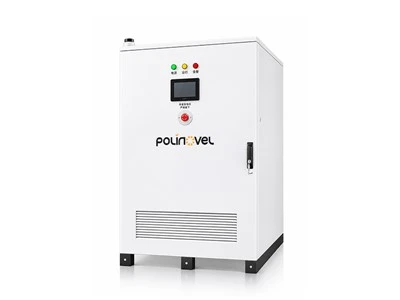
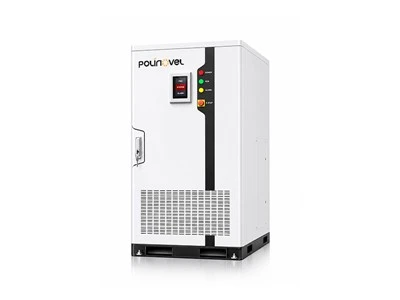
480-990KW Electric Vehicle DC EV Charging Station
The 480–990 kW DC EV Charging Station is a high-power split-type system designed for fast, reliable charging of commercial fleets and high-demand vehicles. It features globally leading power supply technology, ultra-wide constant-power output, and intelligent control for efficient energy allocation. With IP65-rated modules, active protection against overcurrent, overvoltage, and reverse flow, and liquid-cooled options, it ensures safe, high-efficiency operation even in harsh environments.

Product Concept and Definition
Charging Power Range
480–990 kW is considered High-Power DC Fast Charging (HPCC), suitable for large public fast charging stations or highway charging stations.
contrast:
- Home slow charging: 3–22 kW
- Commercial AC fast charging: 50 kW
- High-power DC charging: 150–350 kW (common), 480–990 kW (ultra-high power)
Target Users and Application Scenarios
- Highway service areas, logistics hubs, large urban parking lots, and charging station network operators.
- Targeting large electric buses, electric trucks, and long-range passenger vehicles.

Optimized for Your Charging Needs
Ultra-High Power
Delivers up to 990 kW DC output with peak efficiency of 96%, minimizing charging times for commercial fleets and high-demand vehicles.
Flexible Charging Modes
Supports time-, energy-, amount-, or SOC-based billing with dual-gun rotation, simultaneous, or scheduled charging for operational efficiency.
User-Friendly Interface
10.1-inch touch display provides intuitive operation, real-time charging feedback, and easy integration into management systems.
Smart Connectivity
Supports OCPP 1.6, Ethernet, optional 4G, and app-based control, enabling remote monitoring, fault diagnostics, and seamless integration with fleet management.
Advanced Liquid Cooling
Double-cycle liquid cooling keeps gun temperature below 55°C for consistent charging, uses antifreeze organic coolant, and includes monitored pressure, flow, and temperature for safety.
Comprehensive Safety
Equipped with contactors, fuses, emergency stop, overcurrent, overvoltage, surge, and leakage protections, plus hardware and software safeguards.
Specification
|
Input Characteristic
|
Input voltage
|
400 Vac ± 10%
|
|
Input frequency
|
50 / 60 Hz
|
|
|
Input type
|
3P + N + PE
|
|
|
Input current
|
733/916/1100/1283/1466/1512 A
|
|
|
Input power
|
480/600/720/840/960/990kW
|
|
|
Power factor
|
0.99
|
|
|
Current
|
<5%
|
|
|
DC Output Characteristic
|
Maximum output
|
1000A(Liquid-cooled overcharge)
|
|
Rated power
|
480/600/720/840/960/990kW
|
|
|
Peak efficiency
|
96%
|
|
|
Structure
|
IP and IK rating
|
IP54 and lK10
|
|
Dimensions
|
2651*2083*950mm
|
|
|
Weight
|
≤2381kg
|
|
|
DC input
|
Input voltage range
|
200V-1000V
|
| DC Output |
Connector options
|
CCS2
|
|
Output voltage
|
200-1000 V
300~1000V is the output voltage of constant power output
|
|
|
Maximum output
power
|
240kW (Regular terminal)
990kW(Liquid- cooled terminal)
|
|
|
Maximum output
current
|
300A (Regular terminal)
1000A (Liquid-cooled terminal)
|
|
|
Components
|
Cable length
|
5m (4.5m exposed from the charger)
|
|
Dimensions and weight
|
Regular charging terminal:803*600*2003mm ≤215kg
Liquid-cooled charging terminal:1098*910*2192mm ≤395 k
|
|
|
Screen
|
10.1 inch
|
|
|
RFID Reader
|
ISO 14443 A + B to part 4 and ISO/IEC 15693, Mifare1, NFC
|
|
|
Emergency button
|
Yes
|
|
|
Environment
|
Operational altitude
|
<2000 m
|
|
Operating temperature
|
-30 °C ~50 °C (Full power)
|
|
|
Storage temperature
|
-30 °C~70 °C
|
|
|
Humidity
|
5 %-95 % Rh non-condensing
|
|
|
Others
|
Communication interface
|
Ethernet (optional 4G)
|
|
Communication protocol
|
OCPP1.6
|
|
|
Cooling method
|
Air cooled
|
|
|
Payment method
|
RFID / APP
|
|
|
EMC
|
Class A (industrial)
|
|
|
Protection
|
Undervoltage protection, Overvoltage protection, DC Overcurrent protection,
Over-temperature protection,
Surge Protection Device, Emergency Stop Protection
|
|
|
Standards and Certifications
|
Protocol
|
DIN 70121/ ISO15118
|
|
Standards
|
EN IEC 61851-1:2019 EN 61851-23:2014 EN 61851-24:2014 EN IEC 61851-21-2:
2021
|
|
|
Certifications Mark
|
SGS CE
|
System Design and Architecture
Single Charging Pile vs. Cluster Station
- High-power charging stations typically consist of 3–6 or more modular charging piles connected in parallel, with a total power output reaching 990 kW.
- They support simultaneous charging of multiple vehicles, but require a power allocation strategy.
Grid Connection and Power Management
- High-voltage transmission connection: 35 kV/10 kV/low-voltage DC integration
- Peak-valley power management: Avoids impact on the local power grid; can be equipped with a Battery Energy Storage System (BESS)
- Power factor and harmonic control: Must meet grid specifications to reduce the load impact on transformers and lines.
Energy management strategy
- Dynamic power allocation: Automatically adjusts the power of each charging gun based on the number of vehicles charging simultaneously and the state of charge (SOC).
- Temperature monitoring: Prevents module overheating that could lead to derating or shutdown.
- Peak reduction: Integrates with the grid dispatch system to optimize charging costs.

Technical components
Power Conversion Modules
- AC→DC Rectification: Converts AC grid power into DC power.
- DC/DC Boost/Buck: Adjusts the output voltage according to battery requirements (typically 200–1000 V).
- Modular Design: 480–990 kW typically uses a multi-module parallel configuration, with each module ranging from 100–250 kW, facilitating expansion and redundancy.
Charging Interface Protocols and Standards
- DIN 70121/ ISO15118
- EN IEC 61851-1:2019 EN 61851-23:2014 EN 61851-24:2014 EN IEC 61851-21-2:2021
- Dual-gun outputs ensure a single unit can fast charge high-voltage batteries up to 1000 V, suitable for buses, trucks, and long-range passenger vehicles.
Cooling System
- High-power charging generates a significant amount of heat, necessitating the design of a liquid cooling or forced air cooling system.
- Liquid-cooled charging terminal: 1098*910*2192mm ≤395 kg
- Cooling covers the power modules, charging guns, and cables, ensuring long-term stable operation even under continuous high-power demand.
Intelligent Control and Communication
- Intelligent Support: OCPP 1.6, Ethernet, optional 4G, and app-based control
- Vehicle-Charging Station Communication: Used for vehicle type identification, supporting intelligent charging, and dynamic power control.
- Back-end Management System (CMS/EMS): Power allocation, scheduled charging, and status monitoring.
Battery compatibility and charging characteristics
Battery Types
- Ternary lithium, lithium iron phosphate, high-voltage solid-state batteries
- Different batteries have different maximum allowable charging power, voltage, and temperature limits.
Charging Curve Management
- Initial high-power phase → Intermediate constant current and constant voltage phase → Final power reduction phase
- Adjustable charging power protects battery life.
Advantages of High-Power DC Charging Stations
Electrical Safety
Insulation monitoring, leakage protection, and high-voltage interlocking ensure safe charging operation.
Fast-acting circuit breakers and fuses provide rapid fault isolation and equipment protection.
Thermal Management and Fire Protection
Liquid-cooled charging system supports stable operation under continuous high-power output.
Fire detection and suppression solutions (gas suppression or water spray) enhance station-level safety protection.
Communication security
Data encryption ensures secure transmission of charging and user data.
Authentication mechanisms prevent unauthorized access.
Protection against remote intrusion enhances system reliability.
Remote monitoring
Real-time status monitoring, anomaly alarms, and remote firmware upgrades.
Energy usage statistics and operational data analysis support efficiency optimization.
Modular Maintenance
Modular architecture enables fast on-site replacement, minimizing downtime.
Routine maintenance includes coolant checks, cable wear checks, and tightening of electrical connections.
Business Model
Flexible billing models: per kWh, per hour, or subscription-based charging services.
Supports partnerships with parking operators, logistics companies, and fleet operators to expand charging networks.
- Grid interaction: Supports high-power simultaneous charging with intelligent power dispatch and optional BESS integration to balance peak loads.
- Thermal management: Optimized air- and liquid-cooling systems ensure stable operation at 480–990 kW continuous output.
- Charging standard compatibility: Supports multiple vehicle models, voltages, and mainstream protocols (DIN 70121 / ISO15118 / CCS2) for wide applicability.
- Operational economics: Modular design, remote monitoring, and intelligent scheduling maximize utilization and reduce O&M costs.


- V2G (Vehicle-to-Grid) readiness: Supports bidirectional energy flow for grid regulation and peak shaving where enabled.
- Energy storage integration: Optional BESS integration smooths peak demand and reduces grid expansion pressure.
- Modular upgrade capability: Station power can be flexibly expanded to meet future vehicle range and power requirements.
- Intelligent scheduling: AI and big data enable optimized power allocation, vehicle queuing, and charging cost efficiency.
For charging operators and urban transportation planners, 480–990 kW DC fast charging stations are not only a technological upgrade, but also a new growth point for commercial value. Through intelligent power distribution, simultaneous charging of multiple vehicles, and energy storage optimization, these high-power stations can improve charging efficiency, reduce operation and maintenance costs, and provide reliable infrastructure for the new energy vehicle market, becoming a core support for future intelligent transportation and green travel.
Hot Tags: 480-990KW Electric Vehicle DC EV Charging Station, China 480-990KW Electric Vehicle DC EV Charging Station manufacturers, suppliers, factory